Common Washer Problems and How to Prevent Them
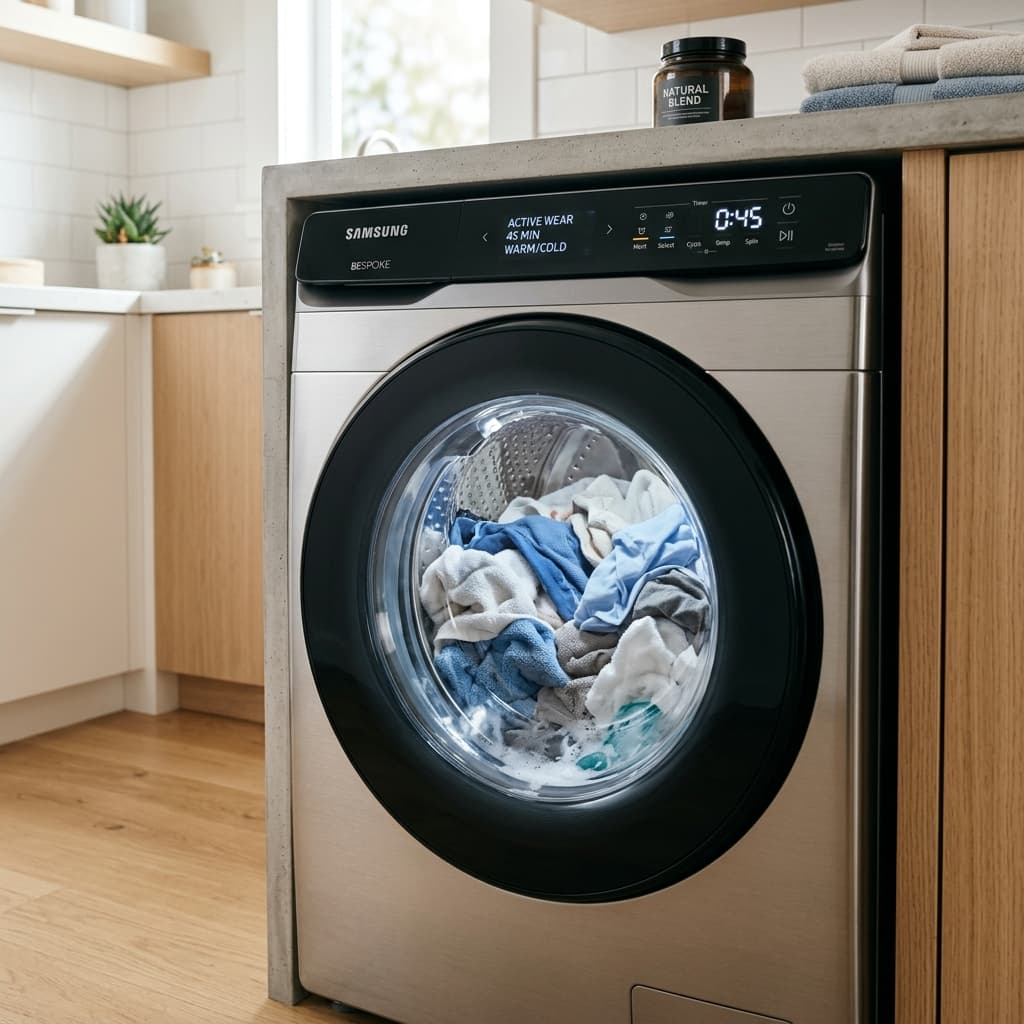
Visit any home and you will hear the washing machine running at least a few times a week. It is one of those appliances we do not give much thought to but it runs our lives. Toss in the clothes, add detergent, press a button, and expect everything to work. Until one day it doesn't.
Sometimes the washer refuses to spin. Other times it leaks onto the floor, makes a noise you have never heard before, or leaves your clothes soaking wet after the cycle ends. These problems rarely happen out of nowhere. More often than not, the washer gives signs for weeks but we dismiss them because life gets busy.
At A1 Appliance Repair Inc., we have repaired washing machines throughout Los Angeles for decades now. In this time, what has become clear is that many breakdowns could have been avoided with a little maintenance and a lot more attention. Small issues addressed on time are easier to handle before becoming major replacements.
Here are the most common washer problems we have seen along with various ways to prevent them.
When the Washer Stops Draining
It is easy to assume something serious has happened when you open the lid and find several inches of water sitting inside the drum. Surprisingly, the cause is often much simpler than people expect.
Loose change, children's socks, lint, and even pet hair can gradually block the drain pump or clog the filter. The machine tries to remove the water, but it simply has nowhere to go.
One customer called us after replacing detergent brands three different times because they thought the soap was causing the issue. The actual problem turned out to be a small coin lodged inside the drain pump. Fortunately, that repair was straightforward.
How to help prevent it
Before starting a load, spend a few seconds checking pockets. Coins, screws, paper clips, and hairpins are frequent culprits. If your washer has an accessible drain filter, clean it regularly according to the manufacturer's recommendations. It only takes a few minutes and can prevent an unnecessary service call.
Small Leaks Rarely Stay Small
A little water around the washing machine might not seem urgent. Many homeowners wipe it up and promise themselves they'll look at it later. Unfortunately, that's usually how minor leaks become expensive ones. Water may escape from cracked supply hoses, loose fittings, worn door seals, damaged pumps, or clogged drains. Even a slow drip can damage flooring, drywall, or nearby cabinets over time. We have visited homes where the washer itself needed only a minor repair, but the flooring underneath had already started to warp because the leak had gone unnoticed for weeks.
Prevention is simple
Take a quick look behind the washer every month or two. If you notice moisture, rust around hose connections, or bulging rubber hoses, don't wait for them to burst. Replacing an aging hose costs far less than repairing water damage.
Strange Noises Usually Mean Something Is Wearing Out
Every washing machine has its own personality. Some hum quietly. Others vibrate slightly during the spin cycle. What shouldn't happen is a new grinding sound, loud banging, squealing, or repeated knocking. These sounds are often early signs that bearings, suspension rods, drive belts, or other moving components are beginning to wear out.
The mistake many people make is turning up the television and hoping the noise disappears. It almost never does.
Mechanical parts continue to wear every time the washer runs. A repair that might have involved replacing one component can eventually require several new parts if the machine continues operating.
What you should do
Pay attention when the sound first appears. Does it happen only while spinning? Only when draining? Every few minutes? That information can help a technician diagnose the problem much more quickly.
Clothes Are Still Soaking Wet
Few things are more frustrating than opening the washer after an hour only to discover the clothes are still dripping. Many people immediately assume the motor has failed. In reality, that's only one possibility.
An overloaded drum, an unbalanced load, a faulty lid switch, a worn drive belt, or drainage problems can all prevent The Smell Coming From Your Washer Isn't Normal
Every now and then, someone tells us they stopped using their washing machine because it made their laundry smell worse instead of better.
Usually, the machine is still cleaning clothes just fine. The odor is coming from somewhere else.
Front-load washers are especially prone to this because moisture tends to collect around the rubber door gasket. Add a little detergent residue, a few lint fibers, and the warmth of a laundry room, and you've created the perfect place for mold and mildew to grow.
The smell doesn't appear overnight. It builds gradually until one day every load carries that same musty odor.
How to help prevent it
Once you have finished the last load of the day, leave the washer door slightly open for a while instead of closing it immediately. That simple habit allows trapped moisture to escape.
It's also worth wiping around the rubber seal every week or so. Most people are surprised by how much lint and residue collect there.
Too Much Detergent Can Create More Problems Than It Solves
There is a common belief that adding extra detergent means cleaner clothes. Unfortunately, washing machines do not work that way. Excess detergent becomes the reason behind a sticky residue inside the drum, hoses and pump. Over time, this buildup traps lint, restricts water flow and creates unpleasant odor. Ironically, clothes can start coming out feeling less clean because the machine struggles to rinse away all the excess soap.
High-efficiency washers are particularly sensitive to this issue since they're designed to use much less water than older models.
A Better Approach:
Measure your detergent instead of estimating it. Most loads require far less than people think, especially if you're using a concentrated formula. Using the recommended amount not only protects your washer but also helps your clothes rinse more thoroughly.
Those Error Codes Are Trying to Help You
Modern washing machines are smarter than many people realize. When something isn't working correctly, the appliance usually displays an error code instead of simply shutting down. Some people immediately unplug the washer and hope the message disappears. Others keep restarting the cycle until the machine refuses to run altogether.
Neither approach actually fixes the problem.
An error code is the washer's way of pointing technicians in the right direction. It could indicate poor drainage, a water supply issue, a faulty sensor, or an electrical problem. Ignoring the warning often allows a relatively small issue to develop into a much larger repair.
What you should do
If an error code appears, take a picture of it before switching the machine off. That small detail can save valuable diagnostic time if professional service becomes necessary.
Older Washers Do Not Always Need Replacing
We hear the same question almost every week.
"My washer is eight or nine years old. Is it even worth repairing?"
The answer depends far more on the condition of the appliance than its age. Some washing machines continue running reliably for well over a decade with only routine maintenance. Others develop multiple problems much earlier because they've been overloaded regularly or haven't received basic care. A worn drain pump or faulty inlet valve doesn't automatically mean it's time to buy a new machine. On the other side, if many expensive components have failed at once, replacement can make more financial sense. Every situation is different, which is why a proper diagnosis matters.
A Few Minutes of Maintenance Can Save Hundreds of Dollars
People often assume appliance maintenance takes hours. In reality, most of it can be done while waiting for the next load of laundry by:
Checking the water hoses for cracks.
Cleaning around the door seal.
Removing lint from the filter.
Making sure the washer sits level on the floor.
These are not complicated jobs, but they can make a noticeable difference in how long a washing machine lasts. Think of them the same way you think about changing the oil in your car. Small maintenance today often prevents much larger repairs tomorrow.
Don Not Wait Until the Washer Stops Completely
One pattern we have noticed over the years is that most customers don't call when the problem starts. They call when the washer finally refuses to finish a cycle.
Looking back, many remember hearing an unusual noise weeks earlier or noticing a small leak they intended to investigate later. By then, what began as a minor repair has often placed additional strain on other components.
Acting early usually means fewer replacement parts, a quicker repair, and less disruption to your daily routine.
Reliable Washer Repair Throughout Los Angeles
A washing machine is one of those appliances you do not fully appreciate until it goes out of service. In this case, laundry piles up quickly, routines are interrupted and even a small problem can become a major inconvenience.
With A1 Appliance Repair Inc. at your disposal, we help homeowners and businesses throughout Los Angeles get their washers back in working order with dependable service. Our technicians repair most major appliance brands by using quality replacement parts alone. We never sell unnecessary repairs and only provide recommendations based on the condition of your appliance.
If your washing machine has been showing any of the warning signs discussed above, don't ignore them. A professional inspection today could save you from a complete breakdown tomorrow. The washer from reaching full spin speed. Bulky comforters and oversized blankets are especially hard on washing machines. When they absorb water, their weight increases dramatically, placing extra strain on internal components.
A Better Habit:
Instead of filling the drum until there is no empty space left, leave enough room for clothes to move freely. Your washer cleans more effectively, spins more efficiently, and experiences less wear over time.
The Washer Shakes More Than It Used To
Some vibrations are completely normal. A washing machine spinning hundreds of pounds of wet laundry is never going to sit perfectly still. However, if the appliance begins walking across the laundry room or banging loudly against the wall, something has changed.
In some homes, the problem is simply an uneven floor. In others, worn suspension components, damaged shock absorbers, or uneven loads are causing excessive movement.
Ignoring heavy vibration does not just create noise. It places extra stress on nearly every moving part inside the machine. Get in touch with A1 Appliance Repair Inc. to learn more about different home and business appliance repair services. We are the best appliance repair company in Los Angeles for all the right reasons and you will know how.